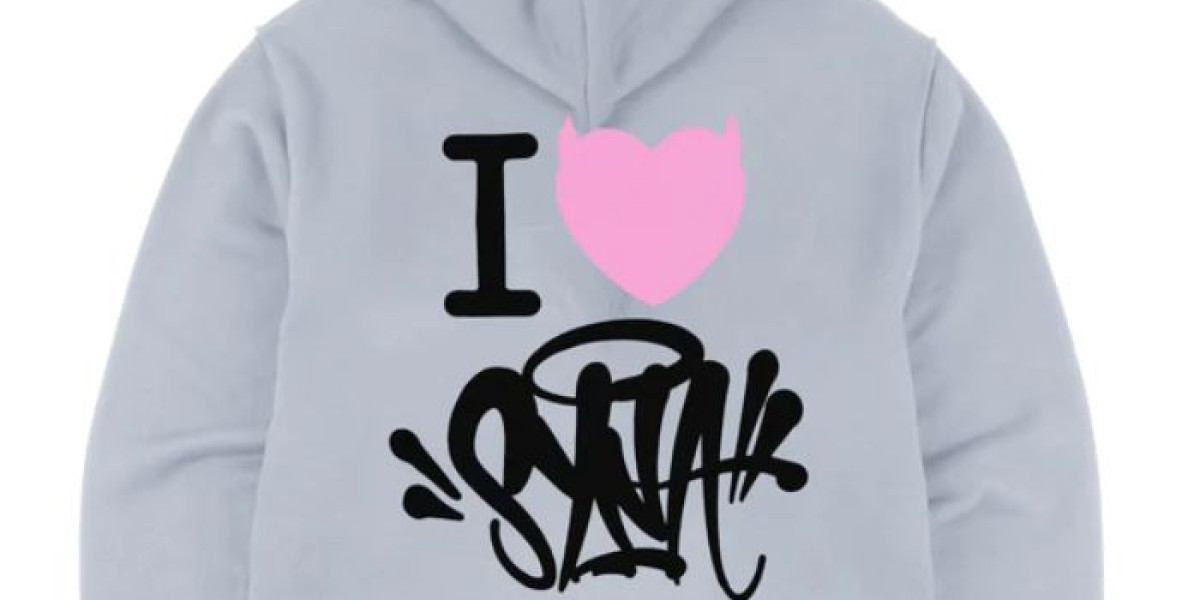

Syna World feels like it came out of a real place, not a boardroom or some trend forecast document. There’s music in it, but not in an obvious way, more like a background frequency that shapes everything quietly. The pieces carry that late-night energy, the kind you get from studio sessions or just being outside too long with nowhere urgent to be. It doesn’t scream luxury or chase approval, it just exists in its own lane. That’s what makes it stick. It feels grounded, like it belongs somewhere specific. And once you catch that vibe, it’s hard to unsee.
From lowkey presence to cultural signal
At first, it moved under the radar, almost like a word-of-mouth secret passing between people who were already tapped in. Then slowly, it started showing up more, not everywhere, but in the right places at the right time. That shift didn’t feel forced, which is rare. It went from being something niche to something recognizable without losing its edge. People started clocking it instantly, even from a distance. That’s when it stopped being just clothing. It became a signal, a quiet way of saying you’re part of something without saying anything at all.
2. Why Storytelling Runs the Game
Hype fades, narrative lingers
Trends come in loud and disappear just as fast, like they were never really meant to last. You’ve seen it before—everyone rushing to grab the same thing, then suddenly moving on. Storytelling doesn’t move like that. It builds slowly, sits with you, and grows over time. Syna World leans into that slower rhythm, letting things unfold instead of forcing attention. You remember how something felt, not just how it looked. That memory becomes part of why you care. And that’s way harder to replace than hype.
Wearing meaning, not just fabric
There’s a difference between throwing on a hoodie and actually feeling something when you wear it. Syna World leans toward the second one without making a big deal out of it. The pieces don’t come with instructions or long explanations. They leave space for interpretation, which makes the experience more personal. You start attaching your own meaning to it, your own memories, your own context. That’s when clothing stops being just material. It becomes something you carry with you.
3. Design That Actually Says Something
Graphics that feel intentional
Nothing looks random, even when it feels minimal. The placement, the spacing, the way certain elements sit slightly off—it all feels thought through. You might not notice it instantly, but give it a second look and it starts making sense. That’s the kind of design that doesn’t chase attention but earns it. It pulls you in instead of pushing itself onto you. There’s a quiet confidence in that approach. And it keeps people coming back for another look.
Subtle symbolism and layered visuals
There’s always something beneath the surface, like a detail you missed the first time. Symbols pop up in ways that don’t feel overdone or overly explained. It’s not trying to spoon-feed meaning, which makes it more interesting. You start noticing patterns, connections, little visual cues that hint at something bigger. That layered approach gives the brand depth. It rewards people who pay attention. And it keeps things from ever feeling flat or predictable.
4. The People Make the Brand
Community over customers
It doesn’t feel like a typical brand-to-buyer relationship. There’s more interaction, more shared energy between people who wear it. You’ll spot someone in Syna, and there’s this unspoken recognition, like you’re both tuned into the same thing. That kind of connection isn’t easy to manufacture. It happens naturally when the brand reflects real experiences. The clothing becomes a bridge between people. And that bridge keeps growing stronger over time.
Shared energy, different expressions
Everyone styles it differently, which is part of the appeal. There’s no strict formula or expected look attached to it. One person might keep it clean and minimal, another might layer it up and go all out. But somehow it still feels cohesive. That flexibility lets people bring their own identity into the mix. It’s not about copying a look. It’s about adding to the overall vibe in your own way.
5. Music in the DNA
Sound shaping style
You can feel the influence of music even when there’s no track playing. It’s in the pacing, the mood, the overall energy of the pieces. Certain designs feel like they belong to a specific sound without needing to say it out loud. That connection adds another layer to how the brand is experienced. It’s not just visual—it’s almost sensory. You remember songs, moments, late nights. And somehow the clothing taps into that.
Culture blending without force
Everything overlaps naturally, like it’s all part of the same ecosystem. There’s no awkward attempt to fit into different spaces or chase relevance. It already belongs, so it moves smoothly between scenes. That kind of fluidity makes it feel authentic. Nothing feels staged or overly curated. It’s just an extension of what’s already happening. And that’s why it works so well.
6. The Art of Scarcity
Drops that feel like moments
When something releases, it doesn’t just drop—it lands. There’s a certain tension around it, even if it’s subtle. People are watching, waiting, refreshing without making a big scene about it. Then it’s gone, sometimes faster than expected. That quick turnover adds weight to every piece. It turns a simple purchase into a moment you remember. And those moments stack up over time.
Memory as part of the product
You don’t just remember what you bought—you remember how it happened. Maybe you caught the drop right on time, maybe you missed it by seconds. Either way, that experience sticks. It becomes part of the story attached to the piece. People talk about it, compare moments, build a shared memory around it. That’s something you can’t replicate easily. It makes each item feel tied to a specific point in time.
7. Staying Real in a Crowded Scene
Authenticity vs imitation
There’s a clear difference between something that’s lived-in and something that’s trying too hard. Syna World sits comfortably in its own space without borrowing too much from others. It doesn’t need to over-explain or constantly prove itself. That confidence shows in how it moves and how it presents itself. People pick up on that without needing it spelled out. It just feels real. And real always stands out.
Letting the story breathe
Not everything needs to be defined or explained immediately. Syna World leaves room for interpretation, which keeps things interesting. The story evolves over time instead of being locked into one idea. That openness allows people to connect with it in their own way. It doesn’t feel restrictive or overly controlled. It feels alive, like it’s still growing. And that’s what keeps people engaged.
8. What’s Next for Story-Driven Streetwear
Depth over noise
The future isn’t about being louder, it’s about being more meaningful. Brands that understand this are already shifting their approach. Syna World feels like it’s ahead of that curve, focusing on depth rather than constant output. That slower, more intentional pace creates stronger connections. People start valuing the story as much as the product. And that changes how they engage with the brand.
The shift toward open narratives
Instead of telling people exactly what something means, the direction is moving toward letting them decide. That makes the experience more interactive, more personal. Syna World already operates like that, leaving space for interpretation instead of closing it off. It turns fashion into something you participate in, not just consume. That shift feels more natural, more human. And it’s where everything seems to be heading next.