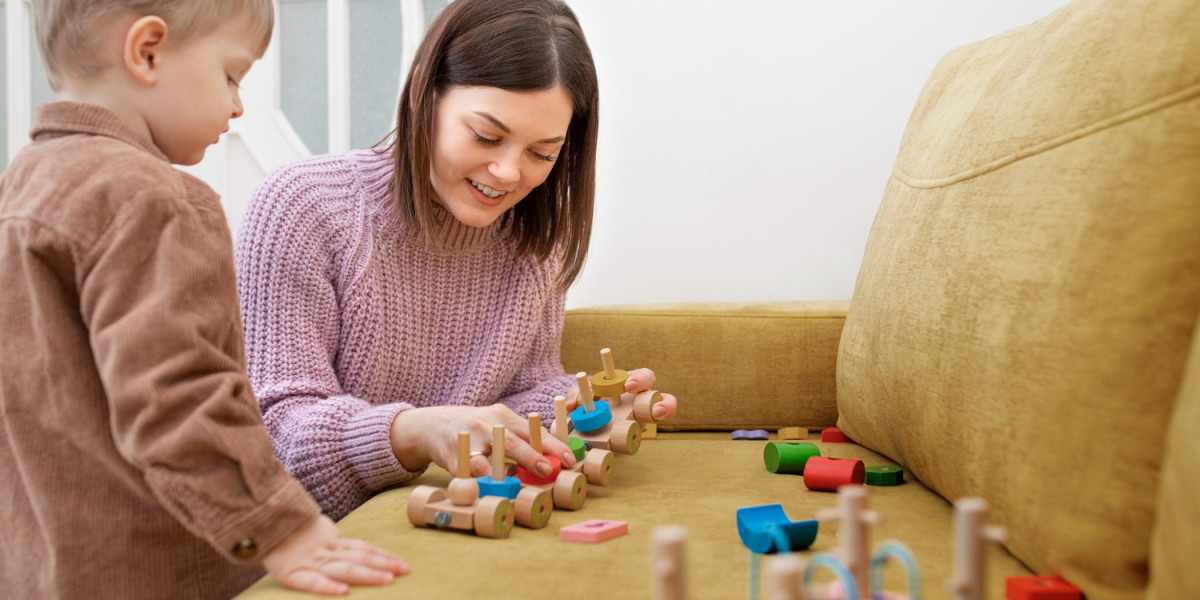

When families begin researching ABA Therapy Services in Utah, one of the first questions they ask is whether home-based care or center-based care is the right fit for their child. For parents in Sandy and nearby communities, understanding how these two models work can make a meaningful difference in daily routines, progress tracking, and long-term goals. At Autism Centers of Utah in Sandy, Utah, families often explore both options before deciding which setting aligns with their child’s needs. This guide explains how home and center-based programs differ, how they support aba therapy for children, and what to consider when choosing between them.
Understanding ABA Therapy Services In Utah
Applied Behavior Analysis, commonly known as ABA, is a structured approach that focuses on learning and behavior. Aba therapy services are designed to help children develop communication skills, social interaction abilities, daily living skills, and adaptive behaviors. In Utah, families can access services in their homes or at an aba therapy center or aba therapy clinic. While the core principles remain the same in both settings, the environment, level of structure, and daily experience may vary. Aba therapy treatments often include one-on-one sessions, skill-building activities, and ongoing data collection to monitor progress. Whether services are delivered at home or in a clinic, the goal is to support meaningful development in ways that connect to a child’s everyday life.
How Home-Based ABA Therapy Works Daily
Home-based aba therapy services take place inside the child’s own living environment. A therapist travels to the home and works directly with the child during scheduled sessions. Because therapy occurs where the child naturally spends time, learning can be connected to real-life routines such as mealtime, bedtime preparation, and playtime with siblings. For many families, this approach offers comfort and familiarity. Children may feel more relaxed in their own space, which can help with participation. Parents also have the opportunity to observe sessions closely and practice strategies during everyday interactions. Aba therapy treatments in the home often focus on functional communication, reducing challenging behaviors, and building independence within daily household activities. In Sandy, Utah, families who choose in-home services often appreciate the convenience of not needing to travel to an aba therapy clinic multiple times per week.
How Center-Based ABA Therapy Is Structured
Center-based aba therapy services are delivered in a dedicated aba therapy center designed specifically for learning and behavioral development. These settings are arranged with therapy rooms, learning stations, play areas, and group activity spaces. The structure of a center-based program allows for predictable routines, scheduled transitions, and exposure to peers. At a location such as Autism Centers of Utah in Sandy, Utah, children attend sessions in an environment designed for focused instruction and social interaction. Therapists can collaborate closely with one another throughout the day, and supervisors are often on site to review data and adjust aba therapy treatments as needed. For children who benefit from structured routines and opportunities to practice peer interaction, a center-based setting may provide consistent daily practice in a controlled environment.
Key Environment Differences Between Home And Clinic
The most noticeable difference between home-based and center-based aba therapy services is the environment itself. In a home setting, distractions such as television, pets, or siblings may be present. While this reflects real life, it can sometimes make structured learning more challenging. In contrast, an aba therapy clinic is arranged to reduce unnecessary distractions and maintain a consistent schedule. Another difference involves peer interaction. Home-based therapy typically focuses on one-on-one instruction without regular peer engagement unless siblings are involved. In an aba therapy center, children may participate in social groups, shared activities, or guided play sessions with other children receiving ABA Therapy for children. This social exposure can help with developing communication and cooperation skills in group settings. Families in Sandy often weigh whether their child thrives more in familiar surroundings or in structured learning spaces.
Comparing Social Interaction Opportunities In Each Setting
Social development is often a major goal within aba therapy services. In home-based care, social learning may center on interactions with parents, caregivers, and siblings. Therapists may arrange playdates or community outings, but these experiences are not always daily. In a center-based aba therapy clinic, children can practice turn-taking, sharing, and group participation with peers during scheduled social activities. For children who need consistent peer exposure, an aba therapy center can offer regular opportunities for guided social learning. However, some children initially feel more comfortable building foundational skills at home before transitioning into group settings. Both models of aba therapy treatments can support social growth, but the frequency and structure of peer engagement may differ.
Parent Involvement In Home And Center Programs
Parent involvement is important in both types of aba therapy services, though it may look different depending on the setting. In home-based therapy, parents often observe sessions directly and practice strategies in real time. Therapists can demonstrate how to respond to specific behaviors during everyday situations. This hands-on involvement can help families feel more connected to the learning process. In a center-based aba therapy clinic, parent meetings and scheduled updates provide insight into progress. Families may attend training sessions or review data with supervisors. While they may not observe every session, communication between staff and parents remains ongoing. At Autism Centers of Utah in Sandy, Utah, families are encouraged to stay informed and engaged regardless of whether services occur at home or in a center.
Scheduling Flexibility And Daily Routine Differences
Another difference between home and center-based aba therapy services involves scheduling and routine. Home-based therapy may offer more flexible scheduling since sessions occur within the family’s own environment. This can be helpful for families balancing school, work, and other responsibilities. However, home sessions may occasionally be affected by household disruptions. Center-based aba therapy treatments typically follow a structured daily schedule. Children attend at set times and participate in planned learning blocks. This predictable format can help some children feel secure and focused. For families in Sandy considering an aba therapy center, travel time and transportation should also be part of the decision. Each model presents its own rhythm, and the right choice depends on how well the schedule aligns with family life.
Skill Generalization Across Different Learning Environments
One of the goals of aba therapy services is helping children apply skills across multiple environments. In home-based therapy, skills are practiced directly where the child lives, making generalization within that environment more immediate. Children learn to use communication tools during meals, chores, and play in real time. In a center-based aba therapy clinic, therapists often create scenarios that mirror school and community experiences. After skills are established in the clinic, families work with therapists to carry them over into home and public settings. Both approaches can support lasting learning. The difference lies in where skills are first introduced and how they are practiced across locations.
Choosing ABA Therapy Services In Sandy Utah
For families searching for aba therapy services in Sandy, Utah, the choice between home-based and center-based care often depends on the child’s needs, temperament, and goals. Some children benefit from the familiarity of home while building foundational communication and behavior skills. Others respond well to the structured routine and peer interaction found in an aba therapy center. Many providers, including Autism Centers of Utah, discuss options with families and may recommend starting in one setting before transitioning to another. The decision does not have to be permanent. As children grow and progress, their therapy setting can evolve as well. By understanding how each model delivers ABA Therapy Treatments, families can make informed choices that align with daily life and long-term development goals.
Frequently Asked Questions About ABA Therapy Services
What is the main difference between home and center-based aba therapy services
The primary difference is the setting. Home-based therapy takes place in the child’s residence, focusing on daily routines, while center-based therapy occurs in an aba therapy clinic designed for structured learning and peer interaction.
Is aba therapy for children more successful in a center
Success depends on the child’s needs. Some children respond well to structured routines in an aba therapy center, while others make steady progress in the familiarity of their home environment.
How often are aba therapy treatments scheduled
Scheduling varies based on individual plans. Aba therapy services may range from a few hours per week to more intensive daily sessions, depending on assessment results and family preferences.
Can a child switch from home-based to center-based therapy
Yes, many children transition between settings over time. Families in Sandy often begin with one model and adjust as goals and needs change.
Does Autism Centers of Utah offer both therapy settings
Families can contact Autism Centers of Utah in Sandy, Utah to discuss available aba therapy services and determine which setting aligns with their child’s developmental plan.