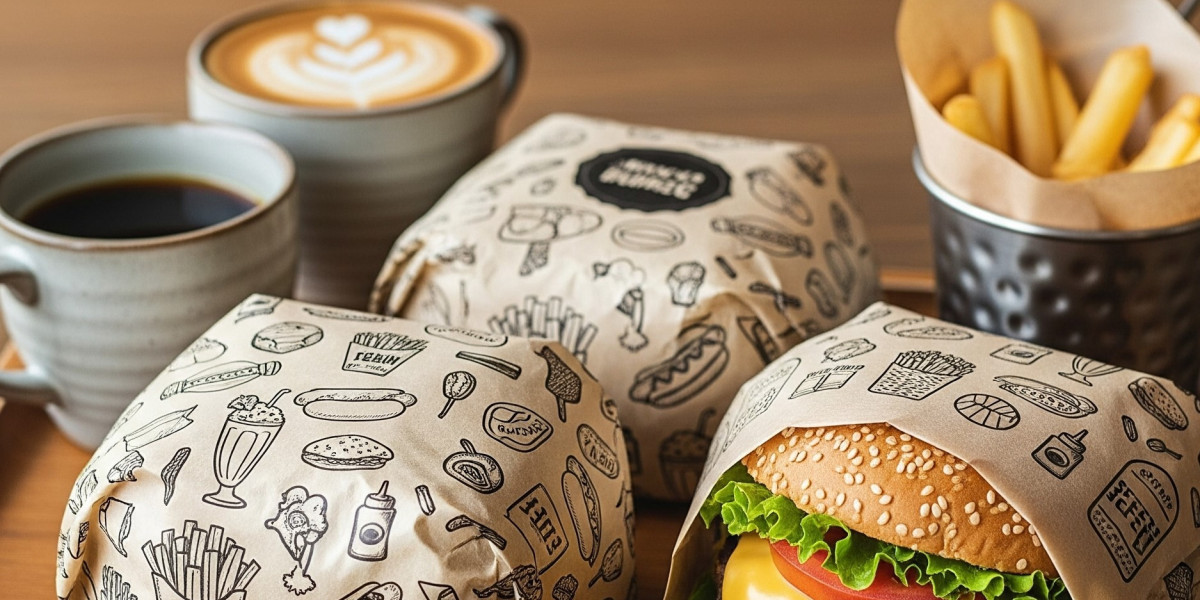
Speed defines fast food but appearance still matters to every paying customer. Quick service should never mean throwing food together without care or thought. Fast Food Presentation balances efficiency with visual appeal that attracts hungry people. Simple techniques make standard items look more appetizing without slowing down service. Customers choose restaurants where food looks as good as it always tastes. Learning practical methods helps any business improve without expensive equipment purchases needed.
How Can Color Placement Improve Visual Interest Quickly?
Bright vegetables against brown meats create natural contrast that catches customer eyes. Green lettuce next to red tomatoes makes both colors appear more vivid. Yellow cheese melted over dark patties adds visual warmth people find appealing. White buns frame colorful ingredients and make everything inside stand out better. Strategic color arrangement takes no extra time but dramatically improves first impressions. Even basic items become photo worthy when colors get positioned thoughtfully during. Natural ingredient colors work better than artificial dyes for creating authentic appearances.
Why Does Assembly Order Matter For Final Appearance?
The bottom bun needs sauce first so the top ingredients do not slide around. Lettuce acts as a moisture barrier protecting bread from wet tomato slices placed. Cheese goes directly on hot patties allowing residual heat to melt edges. Pickles and onions sit on top where customers see them immediately upon. Condiments applied last prevent dripping that creates messy streaks down bun sides. Each layer position serves a specific purpose in maintaining structural integrity and looks. Workers following proper sequence produce consistent results across hundreds of orders daily.
What Wrapping Methods Keep Presentations Intact During Transport?
Tight wrapping holds ingredients in place preventing shifts that ruin careful assembly. Folding at precise angles creates wraps that open cleanly without spilling contents. Burger paper wrap designed for fast food maintains shape while allowing easy unwrapping. Proper technique means customers see a perfect presentation rather than a jumbled mess inside wraps.
Can Lighting Changes Make Food Look More Appealing?
Yes, warmer lighting makes browns and reds appear richer and more appetizing. Bright overhead lights show food clearly but can create harsh unflattering shadows. Natural daylight remains ideal but most restaurants need supplemental lighting throughout operating. Spotlights on display cases draw attention and make featured items look special. Avoiding fluorescent bulbs prevents food from appearing washed out or sickly colored. Restaurants in CA investing in better lighting report increased sales. Simple bulb changes cost little but improve how everything looks to customers.
Why Should Portion Sizes Stay Consistent Across All Orders?
Varying portions confuse customers who expect the same value every single visit made. Oversized servings waste ingredients and cut into profit margins unnecessarily each time. Undersized portions leave people feeling cheated even when the presentation looks perfect initially. Standard portioning tools ensure fairness and predictability across different staff members working. Consistent amounts photograph similarly creating reliable social media content from happy customers. Visual consistency builds brand recognition when people know exactly what to expect. Measuring during prep work prevents problems that arise during rushed service periods.
How Do Condiment Patterns Affect Overall Visual Appeal?
Evenly distributed sauce prevents dry spots while avoiding soggy areas nobody enjoys. Drizzle patterns add artistic flair without requiring extra time or skill from. Squeeze bottles give better control than spoons for creating clean attractive lines. Sauce edges wiped clean before wrapping shows attention to details customers appreciate. Strategic placement enhances flavors while maintaining a neat appearance throughout the eating process completely. Random squirting looks careless compared to deliberate application methods used correctly. Small technique shifts separate amateur results from professional quality presentation standards maintained.
What Role Does Freshness Play In Presentation Quality?
Wilted lettuce and browning ruin appearance no matter how well assembled. Crisp vegetables look vibrant and suggest overall quality of ingredients used throughout. Soggy fries signal old oil or improper cooking, destroying visual and taste. Fresh items hold shape better during assembly, preventing structural collapse before serving. Regular ingredient rotation ensures nothing sits long enough to lose visual appeal. WaxPapersHub supplies materials preserving freshness during storage and display periods between orders placed.
Why Should Staff Understand Presentation Business Impact?
Workers who grasp the connection between appearance and sales take more pride in. Education helps teams see how their work directly affects customer satisfaction scores. Understanding motivates better performance than simply following rules without knowing the reasons behind. Sharing customer feedback shows staff how presentation choices influence real buying decisions. Recognition programs reward employees consistently delivering excellent visual results during all shifts. Engaged workers become brand ambassadors who maintain standards even when not. Knowledge transforms tasks from boring chores into meaningful contributions toward business success.
Can Simple Templates Speed Up Without Sacrificing Quality?
Yes, guides showing proper ingredient placement help new workers learn faster initially. Visual references at assembly stations remind everyone of expected appearance standards set. Templates ensure consistency when multiple people prepare the same menu items throughout the day. Standardized processes allow speed increases that maintain rather than compromise presentation quality. Food paper placement guides prevent common mistakes that create unattractive finished products shown. Systems thinking separates successful operations from those struggling with quality control problems. Investment in training tools pays back through improved efficiency and customer satisfaction.